

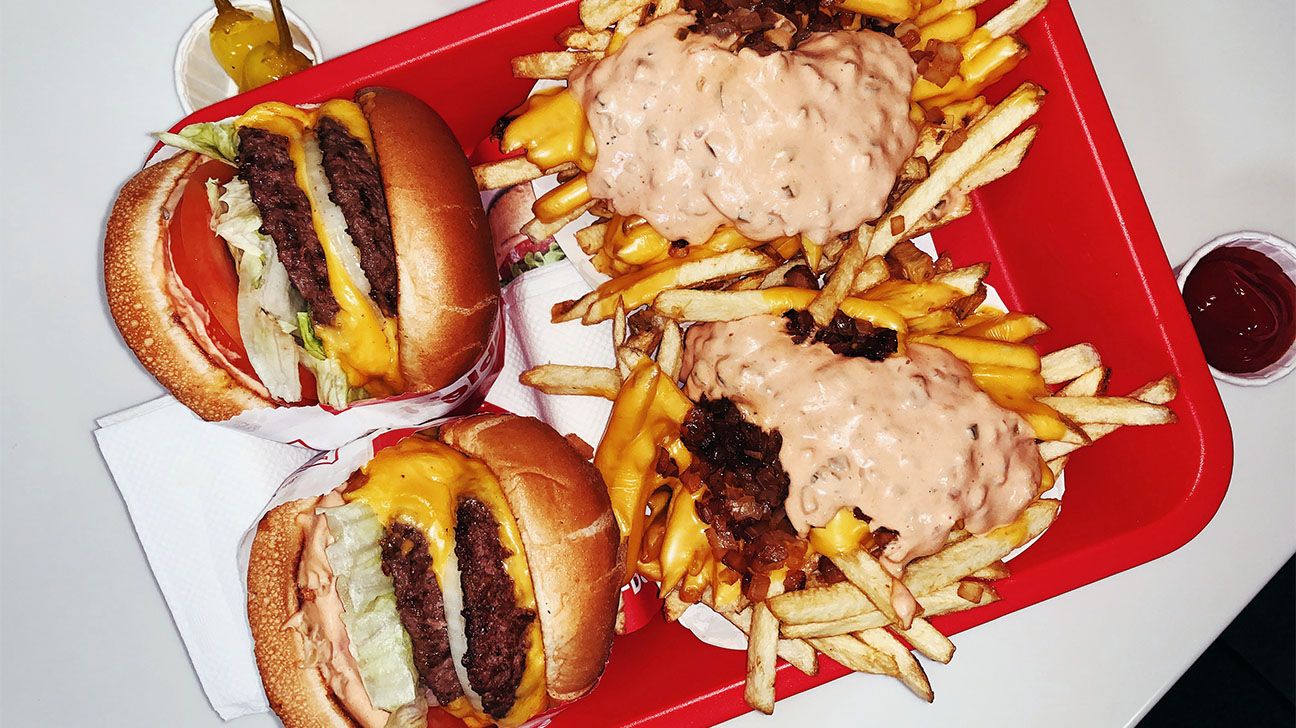
- A new analysis found that ultraprocessed foods (UPFs) are potentially as addictive as cigarettes.
- Scientists observed that these foods are engineered to heighten pleasure and accelerate the delivery of rewarding components.
- The habit-forming property of such products suggests they drive uncontrollable eating and disrupt natural hunger cues.
- Study contributors suggest that ultraprocessed foods ought to be governed by policies similar to those for tobacco products.
Right now, there is no one agreed-upon description of UPFs. Many define them as products that contain components you are unlikely to have in a domestic pantry, like stabilizers and artificial substances.
A lot of dietitians employ the NOVA classification to define UPFs. This describes foods that contain “combinations of ingredients, primarily of exclusive industrial use, often produced by a range of industrial techniques and methods.”
One new analysis featured in The Millbank Quarterly suggested that UPFs could be as addictive as tobacco products.
“It is my view with this study, as UPFs are specifically engineered to be incredibly tempting to most individuals,” stated a weight loss specialist who was not involved in the research.
A study from 2023 suggests that over 73% of the food supply in the United States is classified as ultraprocessed.
“Cigarettes and ultraprocessed foods are not simply natural products but carefully designed consumable products engineered deliberately to optimize biological and psychological reward and repeated intake,” wrote the review’s authors.
Can Ultraprocessed Foods Habit-Forming?
The review integrated data from addiction, public health history, and dietary science in order to highlight textural and compositional features that increase the reinforcing potential of both tobacco and UPFs.
“Not everyone is ‘hooked’ to these foods, but for a meaningful minority, they elicit typical habit-forming behaviors: strong cravings, inability to stop, and continued use even with harmful consequences,” commented a heart health nutrition expert.
“These products are purposely formulated with refined carbs, added fats, salt, and taste additives to optimize reward and ongoing intake, and the industry uses persuasive advertising strategies, particularly targeting children,” she stated.
The researchers analyzed several important factors:
- rapid absorption
- hedonic engineering, or designing foods to be irresistibly good
- perfecting the amount
- widespread availability
- deceptive reformulation, or “health washing”
The study concluded that, like cigarettes, UPFs are fine-tuned to provide the optimal amount of sugar.
“Processed carbs stimulate the feel-good chemical release through the a key neural pathway, whereas fats do so through intestinal lipid sensing,” the authors wrote.
“… UPFs with significant amounts of refined carbohydrates and extra oils are some of the most potently rewarding substances in the modern diet. Notably this processed carb and fat combination is virtually absent in nature.”
How these foods rapidly deliver “pleasure-inducing” chemicals to the mind renders them likely habit-forming, in a comparable way to cigarettes.
The review noted that while tobacco are engineered to deliver nicotine quickly, UPFs are formulated to rapidly digest and absorb, as they typically have little to no dietary fiber. This makes it easier for the system to process lipids and carbohydrates more quickly.
The researchers also explain that UPFs give intentional flavor bursts that dissipate rapidly and mouthfeels that dissolve easily. This all helps to deliver more dopamine and prompts individuals to eat more.
‘Health Washing’ in Tobacco, Ultraprocessed Foods
Based on the analysis, both the cigarette and food industries have long used a strategy called “health washing.”
This refers to where products are advertised and reformulated to generate an perception of reduced harm while preserving the core addictive properties.
Health washing in the tobacco industry became popular in the 1950s with the introduction of filters on smokes.
These were sold as protective innovations that would trap harmful substances prior to they entered the respiratory system. In reality, these tips provide minimal meaningful benefit.
However, people typically adapted by taking bigger puffs or increasing consumption, which negated any reduction in toxin exposure.
The food industry has taken a similar approach. It uses packaging claims such as “reduced fat” or “no sugar added” to market ultraprocessed foods.
Yet, these items still contain the very addictive formulations. The problem is that these reformulations offer a surface-level appearance of wellness while the product’s addictive structure and metabolic harms persist unchanged.
Should Ultraprocessed Foods Be Regulated?
The authors noted at the end of their paper that nourishment and smoking products are fundamentally different.
Nevertheless, they cautioned that some UPFs act like highly optimized products rather than real nourishment. They proposed that health regulations ought to acknowledge this reality.
“Cigarettes provides a warning, and tobacco control provides a model of hope,” the authors wrote.
Because of policies, cigarette use rates in the United States have fallen and have “reshaped public perception of tobacco and diminished confidence in the sector.”
“I believe greater awareness regarding the harmful effects of ultra-processed foods is essential to reduce public intake and enhance public health. The strategies employed to curb cigarette use have been successful and could be a helpful blueprint for UPFs as well,” said one expert.
“I don’t think ultraprocessed foods should be regulated precisely as cigarettes, but they do warrant more robust, tobacco-inspired measures: advertising limits, obvious packaging warnings, tighter rules on wellness assertions, and restrictions in educational institutions or hospitals,” noted another nutrition professional.
The authors reminded people that lightly altered and unprocessed foods have sustained our well-being for thousands of years.


